Entry · Ref DIM4DXSD
How to Find Affordable Radon Mitigation Without Cutting Corners
- Posted
- 2026-10-18
- Last amended
- 2026-10-18
- Account
- @affordableradonjournal
When I bought my first home in York County, Pennsylvania, the radon test came back at 8.7 pCi/L. That number sat in the back of my mind for weeks. The EPA recommends action at 4.0 pCi/L, so I knew I had to do something. But every contractor I called gave me a different story and a different price. Some wanted to seal every crack in the basement floor. Others pushed expensive heat-recovery ventilators. One guy told me I needed a whole-house fan system that would cost more than my furnace. I felt stuck between protecting my family and keeping my budget intact.
That experience taught me that affordable radon mitigation is not about finding the cheapest option. It is about finding a solution that works for your home and your wallet, installed by someone who knows what they are doing. Over the years I have helped several neighbors and friends navigate this process, and I have learned what separates a fair deal from a waste of money.
Why Radon Mitigation Matters More Than You Think
Radon is a soil gas that comes from the natural breakdown of uranium in the ground. It seeps into homes through gaps around pipes, cracks in the foundation, and even through sump pumps. You cannot smell it or see it. The only way to know if it is there is with a radon detector. Long-term exposure is the second leading cause of lung cancer in the United States, according to the EPA. That is a serious health risk, but it is also a preventable one.
York County sits on a geologic formation that produces moderate to high radon levels in many homes. A home inspection might not include radon testing unless you ask for it. If you are buying a house, I strongly recommend including a radon test in your inspection contingency. If you already live in a home with elevated radon levels, the solution is usually straightforward. The most common approach is sub-slab depressurization. A contractor drills a small hole through the basement floor, pulls soil gas from beneath the slab with a radon fan, and vents it above the roofline. That fan runs continuously, creating negative pressure under the slab so radon never enters your living space. It is simple, effective, and when done right, affordable radon mitigation that can last for decades.
What Makes Mitigation Affordable Without Being Cheap
Affordable does not mean low quality. It means you get a system that works, backed by real experience, at a price that reflects the actual labor and materials. I have seen homeowners pay for sealing cracks only to find their radon levels stayed high. Sealing cracks helps reduce air leakage, but it does not stop radon from entering through the soil. A proper mitigation system addresses the source, not just the symptoms.
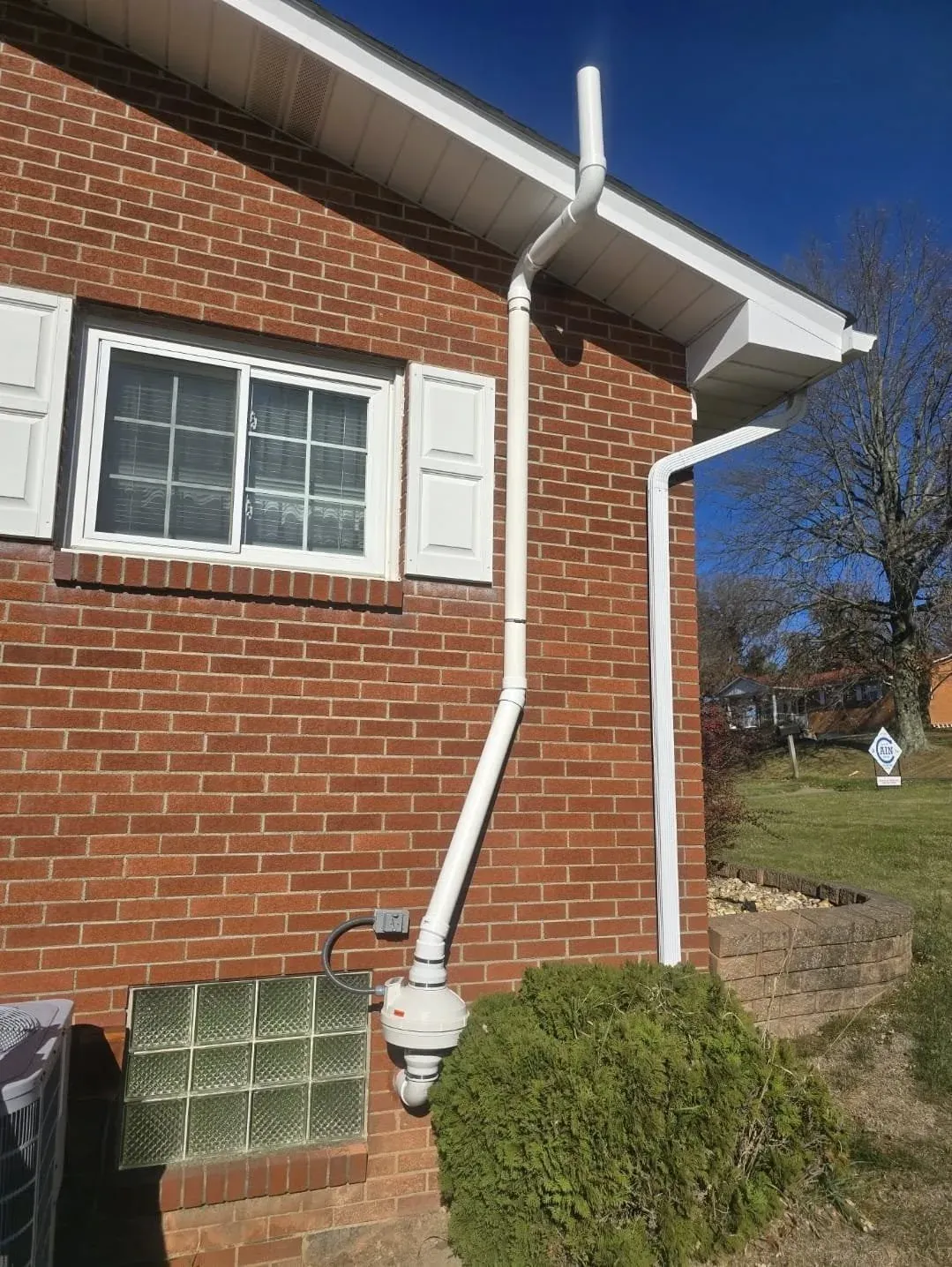
When I talked to Dan Jenkins, a local contractor who has been doing radon mitigation in York County for years, he walked me through the cost breakdown. The biggest expense is the radon fan and the labor to install it. A good fan costs a few hundred dollars. The piping and fittings add another hundred or two. Labor depends on the complexity of your foundation and the routing of the vent pipe. Some homes need the pipe to go through an attached garage. Others require a chase through a closet to reach the roof. Dan gives a cost estimate upfront, and he does not add surprise charges. That kind of transparent pricing is rare in home services, and it makes a huge difference when you are budgeting for a mitigation system.
Key Factors That Affect the Final Cost
Every home is a little different. Here are the main things that influence what you will pay for affordable radon mitigation:
- Type of foundation. A poured concrete slab is the easiest for sub-slab depressurization. A crawlspace or basement with a dirt floor may need a vapor barrier and different venting.
- Access to the roof. Running the vent pipe straight up through the roof is simpler than routing it through an exterior wall or a finished attic.
- Existing radon levels. Higher levels often mean more airflow is needed, which can require a larger fan. That adds a small cost but is rarely a dealbreaker.
- Electrical work. The radon fan needs power. If there is no outlet nearby, an electrician may need to run a line. Some mitigation contractors include that in their quote.
- Warranty and service. A good installation warranty covers parts and labor for at least one year, sometimes longer. That peace of mind is worth paying for.
I have seen homeowners try to save money by installing a fan themselves without understanding the soil dynamics. That often leads to a system that does not lower radon levels enough to pass a follow-up test. Hiring a local contractor who specializes in radon mitigation saves you from that costly trial and error. They know how to size the fan, where to place the suction point, and how to seal the system so it works reliably.
How to Verify You Are Getting a Fair Deal
Start by getting a radon test from a certified radon detector lab. The test should run for at least 48 hours, with the house in closed-house conditions. That means keeping windows and doors shut as much as possible during testing. Short-term tests are fine for a screening, but a long-term test gives a better picture of your average exposure.
Once you have your results, call two or three local contractors who specialize in radon mitigation. Ask for a written cost estimate that includes the type of fan, the pipe routing, the electrical work, and the installation warranty. Compare the quotes, but do not pick the cheapest one without checking references. A good local contractor will have reviews on Google or recommendations from your home inspection company. Dan Jenkins, for example, posts his standard pricing online so you know what to expect before he even visits your home. That level of transparent pricing builds trust.
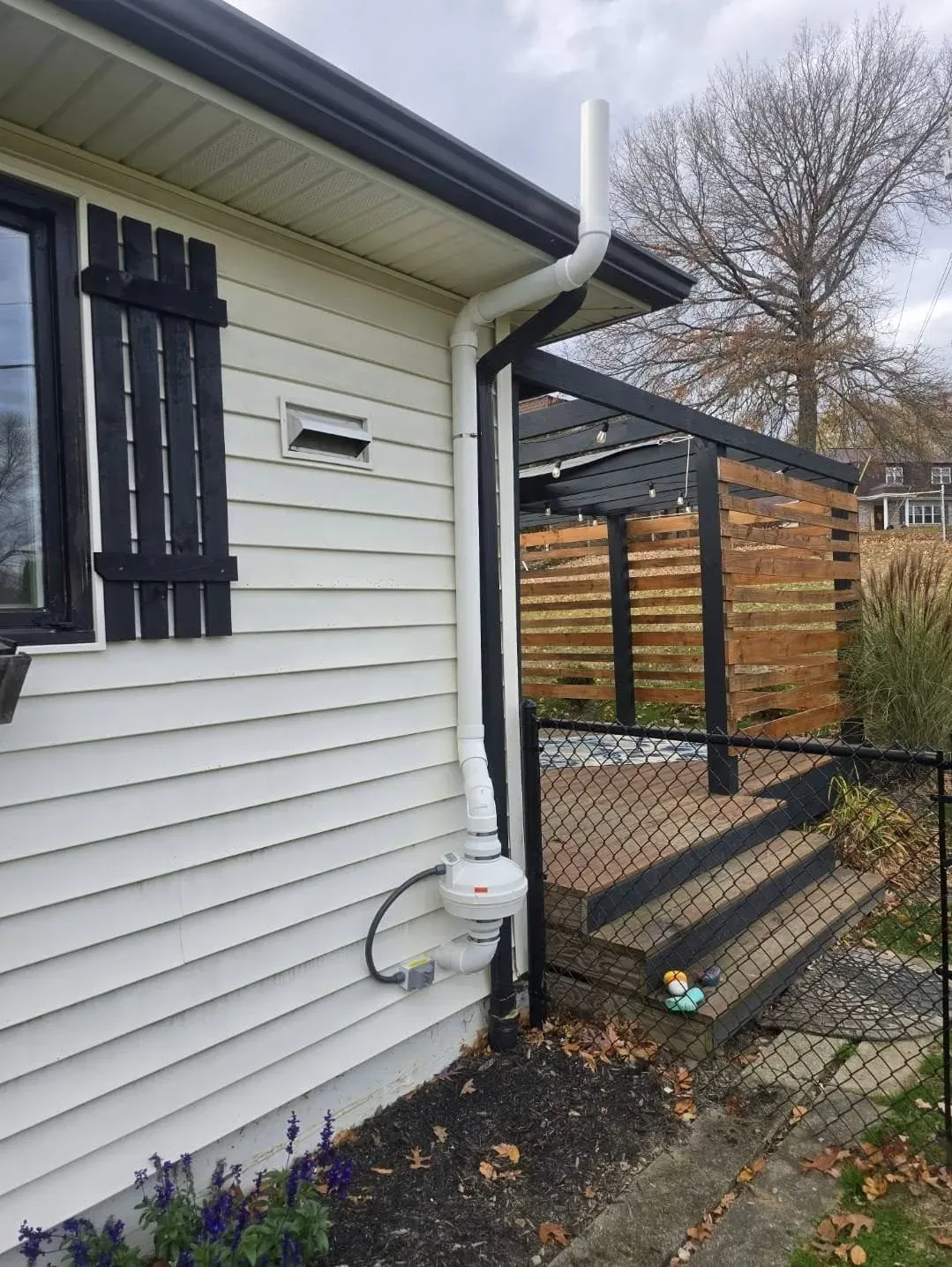
After the system is installed, run another radon test to confirm the levels are below 4.0 pCi/L. Most contractors will guarantee that result. If it does not work, they will adjust the system at no extra cost. That is the mark of a professional who stands behind their work.
Long-Term Value of a Properly Installed System
A well-designed mitigation system does not just lower radon levels. It also reduces moisture in the basement and can lower your energy bills by reducing air infiltration. The radon fan uses very little electricity, about the same as a 60-watt light bulb. Over ten years, the cost of running the fan is much less than the cost of a single radon-related health scare.
I have seen homes in York County with radon levels over 20 pCi/L drop to below 1.0 pCi/L after sub-slab depressurization. That is a dramatic improvement. The homeowners tell me they sleep better knowing the air their kids breathe is clean. That peace of mind is hard to put a price on.
Affordable radon mitigation does not have to be a compromise. It is about choosing the right method, hiring a contractor who respects your time and budget, and verifying the results. If you are shopping around, look for someone who offers a clear scope of work, uses quality parts like a reliable radon fan, and gives you a warranty in writing. Avoid contractors who pressure you into signing a contract the same day or who refuse to provide a detailed quote.
Final Thoughts from Experience
Radon mitigation is one of those home improvements that you cannot see but absolutely feel. Once the system is running, you forget it is there. The fan hums quietly in the basement, the pipe disappears through the wall, and the radon detector shows a safe number year after year. That is the goal. A simple, effective system that works for the long haul.
If you live in Pennsylvania, especially in York County where radon is a known concern, do not delay. Test your home. If the levels are high, call a local contractor like Dan Jenkins who understands the local soil conditions and can give you a straight answer on cost. Affordable radon mitigation is out there. You just have to know what to look for and who to trust.